
By rubahkhulodsliman · Updated for 2026
Of all the questions people ask about dental benefits, does dental insurance cover preventive care has the most encouraging general answer: preventive services are usually the best-covered category in a dental plan. Routine cleanings, exams, and many X-rays are often reimbursed at a high percentage, frequently without a deductible or waiting period. Even so, the details — frequency limits, what counts as “preventive,” and how children’s services like sealants and fluoride are handled — vary from plan to plan. This guide explains how preventive coverage typically works in 2026. It is general information only, not dental or financial advice.

What Counts as Preventive Care in a Dental Plan
Dental plans typically sort covered services into preventive, basic, and major tiers, and the preventive tier is meant for care that helps catch or stop problems early. Commonly included services are routine prophylaxis (cleanings), periodic oral exams, bitewing X-rays, and, for children, fluoride treatments and sealants. Some plans also place panoramic or full-mouth X-rays, space maintainers for children, and oral cancer screenings in this tier, while others classify a few of those items differently. Because classification drives reimbursement, the plan’s benefit summary — not general assumptions — determines what a specific policy treats as preventive.
How Generously Preventive Care Is Typically Covered
Many PPO-style dental plans reimburse preventive services at or near the top of their coinsurance schedule — a structure often described as 100/80/50, where preventive care sits in the highest category. Plans frequently waive the deductible for preventive visits, and waiting periods for cleanings and exams are uncommon even on new individual policies. DHMO-style plans usually handle preventive visits with low fixed copayments from a fee schedule instead of coinsurance. None of this means every plan pays every preventive claim in full: out-of-network visits, frequency limits, and plan-specific classifications can all leave a balance. Hedged expectations and a look at the benefit summary remain the safest approach.
Frequency Limits: The Fine Print That Matters Most
Preventive coverage is generous but metered. Most plans limit how often each preventive service is payable: two cleanings and two exams per year is a typical pattern, with bitewing X-rays often limited to once per year and full-mouth X-rays to once every few years. Some plans count by calendar year, others by rolling twelve-month periods measured from the last service date — a distinction that can cause a claim denial when an appointment lands a few weeks early. A number of plans offer additional cleanings for members with specific conditions, such as an extra visit during pregnancy or for certain periodontal histories, where the plan documents provide for it.
Sealants and Fluoride for Children
Children’s preventive benefits often extend beyond cleanings and exams. Many plans cover topical fluoride treatments for members under a stated age, commonly somewhere in the mid-to-late teens, on a once- or twice-yearly schedule. Dental sealants — protective coatings applied to the chewing surfaces of permanent molars — are frequently covered for children up to a plan-defined age, often limited to first and second molars and to one application per tooth within a set period. Pediatric dental coverage is also an essential health benefit for children in ACA-compliant marketplace coverage, which is one reason children’s preventive care tends to be a point of emphasis. Families comparing options can see our guide to family dental insurance considerations for more on covering kids.
Why Plans Are Designed Preventive-First
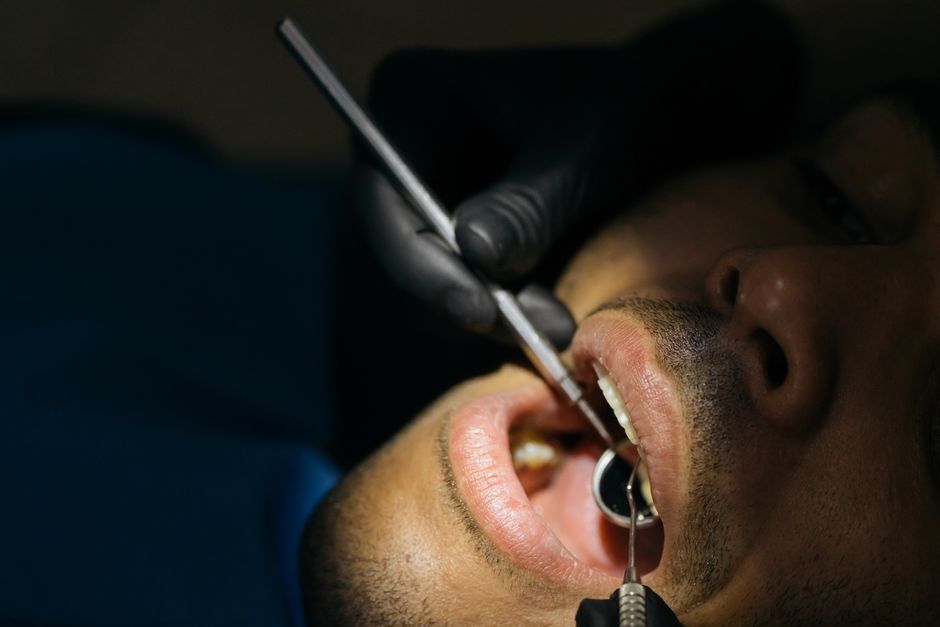
The preventive-first design is deliberate. Insurers structure benefits so that low-cost early care faces the fewest barriers — high reimbursement, no deductible, no waiting period — because routine cleanings and exams can identify decay and gum disease before they progress into fillings, root canals, or extractions that cost far more to treat and to insure. Dental professionals broadly emphasize the same logic from a health standpoint: consistent preventive visits support early detection. From the member’s perspective, the practical takeaway is that preventive benefits are typically the easiest part of a plan to use fully, since they are available immediately and carry little out-of-pocket friction in-network. Some carriers reinforce the design further, for example by not counting preventive payments against the annual maximum or by offering incentive programs tied to regular checkup attendance, though these features vary by plan and state.
Where Preventive Coverage Has Edges
A few boundary cases regularly surprise members. A routine cleaning is preventive, but if the dentist finds gum disease, the recommended treatment may be scaling and root planing — a periodontal procedure that most plans classify as basic, with different cost sharing. Similarly, a periodic exam is preventive, while a problem-focused or emergency exam may be classified differently. Adult fluoride is excluded by many plans that cover it for children. And preventive claims still depend on network status: an out-of-network cleaning under a PPO may be reimbursed at a lower allowed amount. Plan structure matters here too, and our comparison of PPO vs DHMO dental plans explains how each model handles routine visits.
Switching Plans and Frequency Counters
A question that comes up during job changes and open enrollment is whether a new plan restarts the preventive clock. Practices vary. Some plans count only services paid under their own policy, meaning a member who had a cleaning under a previous plan might be eligible for another under the new one. Others apply frequency limits based on service history reported by the dentist, regardless of which insurer paid. Because the dental office submits the date of the last cleaning and X-rays with each claim, assuming a fresh counter can lead to a denied claim. Calling member services with the dates of recent preventive visits, or asking the dental office to verify benefits before the appointment, usually resolves the question in a few minutes.
Checking a Plan’s Preventive Benefits Before Enrolling
Because most of the variation lives in the details, a short checklist helps when reading any benefit summary:
- Reimbursement level: How are in-network cleanings, exams, and X-rays paid, and does a deductible apply?
- Frequency limits: How many cleanings and exams per year, and is the count calendar-based or rolling?
- X-ray schedules: How often are bitewing and full-mouth images payable?
- Children’s benefits: What are the age and frequency limits for sealants and fluoride?
- Annual maximum interaction: Do preventive payments count against the yearly cap? Some plans exclude them, as our guide to dental insurance annual maximums explains.
- Network rules: How are out-of-network preventive visits handled?
Well-known carriers such as Delta Dental, Cigna, MetLife, Guardian, Humana, Aetna, and UnitedHealthcare all publish these details in their plan materials, and member services can confirm frequency counters for a specific policy. Shoppers weighing preventive-focused plans against fuller coverage can also browse our roundup of well-known US dental plans for context.
Informational Disclaimer
This article is for general information only and is not dental or financial advice. Preventive benefit levels, frequency limits, age rules, and classifications vary by plan, carrier, and state, and they change over time. Always confirm current coverage directly with the insurer or a licensed professional before scheduling care or enrolling. For general oral-health guidance, see the American Dental Association’s MouthHealthy, and for consumer insurance resources, see the NAIC.
Final Thoughts
So, does dental insurance cover preventive care? In most plans, yes — and usually more generously than any other category, with high reimbursement, waived deductibles, and no waiting periods being common for in-network cleanings, exams, and routine X-rays. The practical work is in the fine print: frequency limits, children’s age rules for sealants and fluoride, and how preventive payments interact with the annual maximum. Reading those details in the benefit summary is the most reliable way to know exactly how a particular plan supports routine care in 2026.