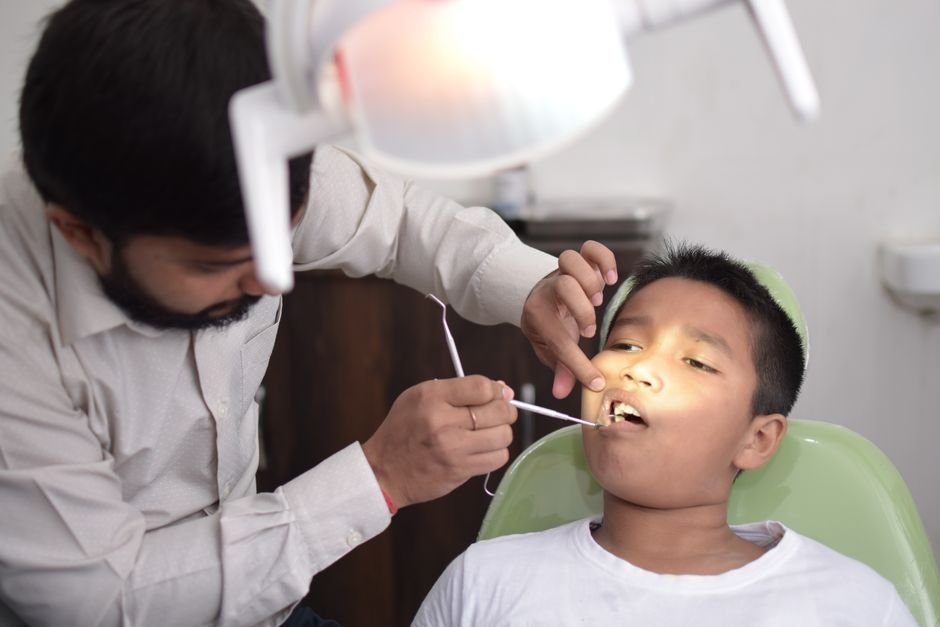
Children’s teeth need care long before the permanent set arrives, and paying for that care works differently than it does for adults. Dental insurance for kids benefits from special rules: pediatric dental care is treated as an essential health benefit for children under the Affordable Care Act, which shapes how marketplace plans, employer coverage, and public programs handle it. This guide explains the main ways families cover children’s dental care in 2026, what pediatric plans typically include, and what to compare before choosing. It is general information only, not dental, medical, or financial advice.

Why Kids’ Dental Coverage Is Different
For adults, dental insurance is almost always a separate, optional product. For children, federal rules treat pediatric dental care as one of the ten essential health benefits, which means marketplace insurers must make dental coverage available for enrollees under 19, either embedded in the health plan or through a standalone dental plan offered alongside it. Pediatric dental benefits in these plans also commonly come with an out-of-pocket maximum, a consumer protection most adult dental plans do not offer, and medically necessary orthodontia may be covered in some plans, subject to strict criteria.
The Main Ways to Cover a Child’s Dental Care
- A parent’s employer plan: Many employers offer family dental coverage as a voluntary benefit; children are typically added as dependents, often up to age 26.
- Marketplace coverage: Health plans with embedded pediatric dental benefits, or standalone dental plans purchased alongside a marketplace health plan.
- Standalone family dental plans: PPO or DHMO dental plans bought directly from an insurer that cover the whole household, children included.
- CHIP and Medicaid: The Children’s Health Insurance Program and Medicaid cover dental services for eligible children in every state, and families can apply year-round.
Families who qualify for CHIP or Medicaid often find these programs provide the most comprehensive children’s dental coverage at the lowest cost; eligibility and covered services vary by state and can be checked at InsureKidsNow.gov.
What Pediatric Dental Plans Typically Cover
Most children’s dental coverage follows the familiar preventive-basic-major structure, with plans generally covering preventive care most generously. The exact split varies by plan, but a common pattern looks like this:
| Service tier | Common examples for kids | Typical plan treatment |
|---|---|---|
| Preventive | Exams, cleanings, fluoride treatments, sealants, X-rays | Often covered at or near 100% in-network |
| Basic | Fillings, simple extractions, space maintainers | Commonly covered with moderate coinsurance |
| Major | Crowns on baby or permanent teeth, root canals | Commonly covered at a lower percentage |
| Orthodontics | Braces, aligners | Often excluded or limited; some plans cover medically necessary cases |
These are broad tendencies rather than guarantees, and each plan defines its own benefit levels, exclusions, and age limits. Sealants and fluoride, for example, are frequently covered for children at ages when they are most commonly recommended, but the specific ages differ by plan. For a refresher on how the preventive tier works generally, see our guide to dental insurance and preventive care.

Braces and Orthodontics for Children
Orthodontic coverage is the area where families are most often surprised. Many standalone dental plans exclude orthodontics entirely or offer it only as an optional rider with a separate lifetime maximum. Marketplace pediatric dental benefits may cover orthodontia only when it is deemed medically necessary under the plan’s criteria, which typically involves documented functional problems rather than cosmetic alignment. If braces are likely in your child’s future, it is worth reading the orthodontic section of any plan closely before enrolling, including waiting periods, age limits, and lifetime maximums.
Waiting Periods, Maximums, and Networks
Children’s dental plans share the same fine print as adult plans. Preventive care is usually available immediately, but basic and major services may carry waiting periods of several months to a year on standalone plans; our explainer on dental insurance waiting periods covers how these work. Standalone family plans typically apply an annual maximum per person, while embedded pediatric benefits on marketplace plans generally use an out-of-pocket maximum instead. Network rules matter too: a pediatric dentist who is in-network for one plan may be out-of-network for another, so checking that a specific dentist participates before enrolling can prevent unexpected bills.
How to Choose Dental Coverage for a Child
- Start with eligibility for CHIP or Medicaid: If your household qualifies, these programs are usually the first option to evaluate.
- Check the pediatric dentist’s network status: Confirm the specific dentist and location participate in the specific plan.
- Compare preventive coverage first: Two cleanings and exams per year at little or no cost is the benefit most families use most.
- Read the orthodontic terms: If braces may be needed, exclusions and lifetime maximums matter more than the monthly premium.
- Look at waiting periods: If your child needs a filling soon, a plan with long waiting periods on basic services may not help this year.
- Weigh premium against likely use: For a child who needs only checkups, a modest plan or a dental savings option may be sufficient; children needing restorative work often benefit from richer coverage.

Frequently Asked Questions
At what age should a child first see a dentist?
Dental organizations such as the American Dental Association generally suggest a first visit after the first tooth appears and no later than the first birthday; guidance is summarized at MouthHealthy.org. Ask your child’s dentist or pediatrician what is appropriate for your child.
Is dental coverage required for children?
Marketplace insurers must make pediatric dental coverage available for children under 19, but in most states families are not required to purchase it. Employer and standalone coverage is optional.
Do baby teeth really need insurance coverage?
Baby teeth can develop decay and infections and help guide permanent teeth into place, so plans treat their care as covered dental treatment like any other, subject to plan terms.
Can I buy a dental plan just for my child?
Many insurers offer child-only standalone dental plans, and marketplace standalone dental plans can often be purchased for a child alongside a health plan. Availability varies by state and insurer.
Informational Disclaimer
This article is for general informational purposes only and is not dental, medical, insurance, or financial advice. Plan availability, benefits, waiting periods, networks, and program eligibility vary by state, insurer, and plan, and they change over time. Always verify current details directly with the insurer, your state’s CHIP or Medicaid program, or a licensed insurance professional, and consult a licensed dentist about your child’s care.
Final Thoughts
Dental insurance for kids benefits from stronger rules than adult dental coverage, from essential-health-benefit status on the marketplace to year-round CHIP and Medicaid access for eligible families. The best starting point is to check public program eligibility, then compare employer and standalone options with a focus on preventive coverage, the dentist’s network status, and orthodontic terms. A plan matched to your child’s actual needs makes routine care predictable and helps the household budget absorb the unexpected in 2026.