
When you work for yourself, there is no employer to share the cost of dental coverage, so you have to find and pay for a plan on your own. The good news is that several routes exist for freelancers and small-business owners. Here is how to find dental insurance as a self-employed person in 2026 and what to weigh before you buy.

Where to buy coverage
Self-employed people can buy dental insurance through the health insurance marketplace, directly from standalone dental insurers, or sometimes through professional or trade associations. Each route offers different plans, so it is worth comparing options on price, network, and coverage before choosing.
Standalone vs. bundled plans
You can buy a standalone dental plan or, in some cases, add dental to a marketplace health plan. Standalone plans give you more choice of dental-specific coverage, while bundling can be convenient. Compare the total cost and the dental benefits either way.
What to compare
Look at the premium, deductible, annual maximum, waiting periods, and whether your dentist is in-network. For most self-employed buyers, a plan with solid preventive coverage and a reasonable annual maximum offers good value without an excessive premium.

Tax considerations
Self-employed individuals may be able to deduct certain health and dental insurance premiums, and tax-advantaged accounts like an HSA can help pay dental costs with pre-tax dollars. Consider speaking with a tax professional about what applies to your situation.
Keeping costs manageable
If your dental needs are mostly routine, a modest plan focused on preventive care may be enough. If you expect major work, weigh a plan with a higher annual maximum. Pairing coverage with an HSA or FSA can further reduce out-of-pocket costs.
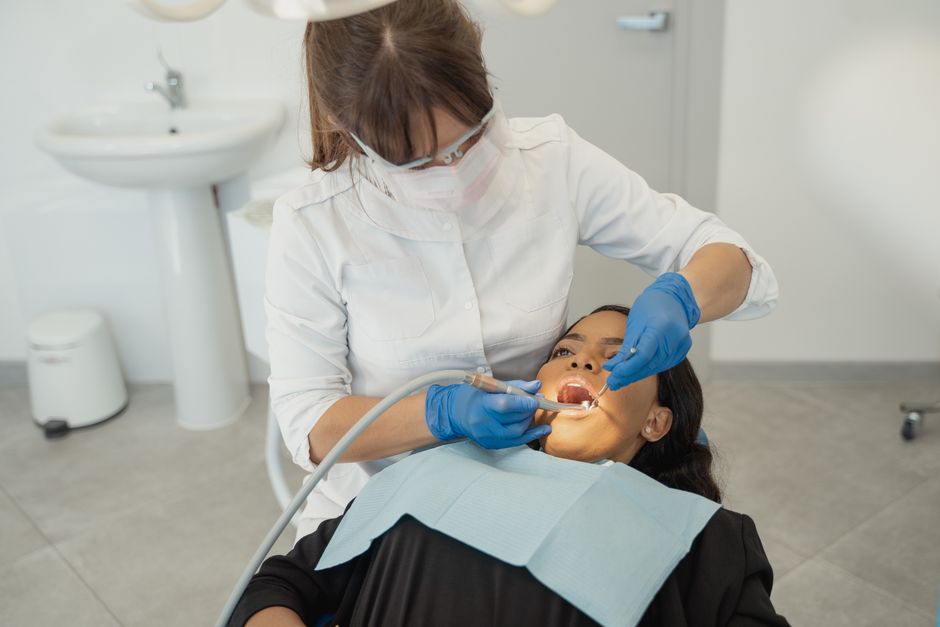
How the self-employed can choose a plan
Compare plans across the marketplace, standalone insurers, and any associations you belong to, focusing on total yearly cost for the care you expect. If you buy your own coverage, you can compare plans and check subsidies at HealthCare.gov, and review insurers via the National Association of Insurance Commissioners.
Disclaimer
This article is for general informational purposes only and is not dental, medical, or financial advice. Coverage details, networks, waiting periods, and prices vary by state and plan and change over time. Always confirm current terms directly with the insurer or a licensed professional before enrolling.
Final thoughts
As a self-employed person, you have several ways to get dental coverage, but you carry the full cost, so value matters. Compare plans on total yearly cost for your expected needs, consider the tax angle, and pick the option that protects your teeth and your budget in 2026.