Dental implants are one of the most durable ways to replace a missing tooth, but they are also among the most expensive dental procedures. If you are weighing an implant, the first question is usually whether your dental insurance will help pay for it. The short answer is that coverage varies a lot by plan. Here is what to know about how dental insurance treats implants in 2026 and how to lower what you pay.
Are implants usually covered?
Many dental plans now include some implant coverage, but it is typically treated as a major service rather than a basic one. That usually means the plan pays a lower percentage, often around half, after you meet any deductible and waiting period. Older or low-cost plans may exclude implants entirely, so the wording in your specific policy matters more than general rules.
How much do plans typically pay?
When implants are covered, plans commonly reimburse a portion of the cost up to the policy’s annual maximum. Because a single implant can exceed many plans’ yearly limit, coverage often offsets only part of the bill. Some people spread treatment across two calendar years to use two annual maximums.
Watch the annual maximum and waiting period
Two plan features matter most for implants: the annual maximum, which caps total yearly payouts, and the waiting period before major services are covered. A plan with a higher maximum and no or short waiting period is generally more useful for implants, even if its premium is higher.

What about the crown and other steps?
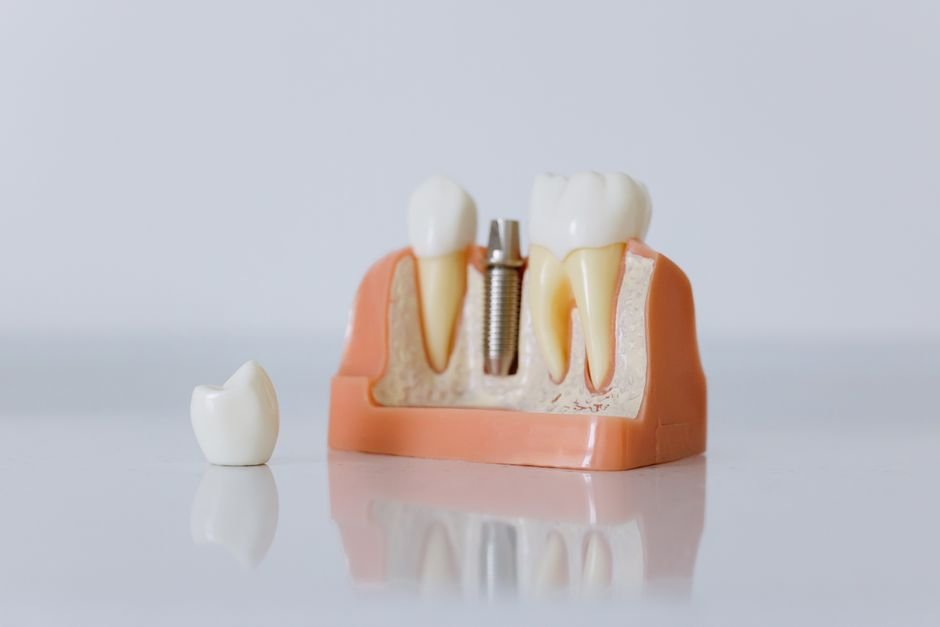
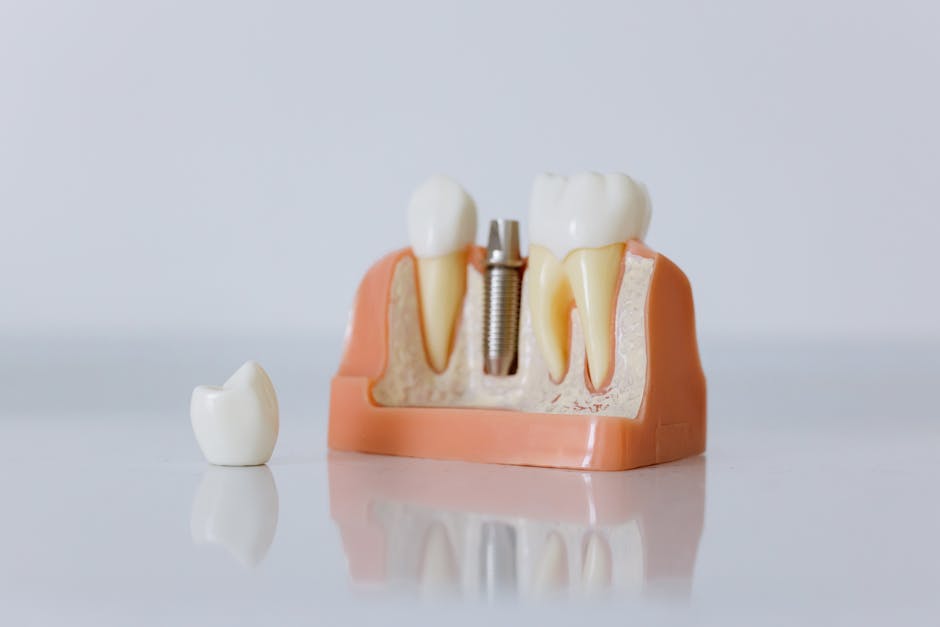
An implant is usually billed in stages: the surgical post, the abutment, and the crown on top. Plans may cover these steps differently, and some cover the crown but not the post. Ask your dentist for an itemized treatment plan so you can see how each step is classified.
Alternatives if implants are not covered
If your plan excludes implants, a dental discount plan, a health savings account, or a dental school clinic may reduce costs. Some people choose a covered alternative such as a bridge, then upgrade later. Comparing total cost across options is worthwhile before committing.
How to confirm your coverage
Before treatment, ask your insurer for a pre-treatment estimate, sometimes called a predetermination. This shows what the plan expects to pay for your specific case, which is far more reliable than a general brochure.

How to make the most of implant coverage
Get an itemized treatment plan and a written pre-treatment estimate from your insurer, confirm your remaining annual maximum, and check whether timing treatment across two plan years helps. For general consumer guidance on oral health and treatment choices, the American Dental Association’s MouthHealthy resource is a reliable place to start, and you can verify an insurer’s standing through your state regulator listed by the National Association of Insurance Commissioners.
Disclaimer
This article is for general informational purposes only and is not dental, medical, or financial advice. Coverage details, networks, waiting periods, and prices vary by state and plan and change over time. Always confirm current terms directly with the insurer or a licensed professional before enrolling.
Final thoughts
Whether dental insurance covers implants comes down to your specific plan’s rules on major services, annual maximums, and waiting periods. Read your policy closely, get a pre-treatment estimate, and compare your options so you can plan for the part you will pay yourself in 2026.